06 Jul 2026
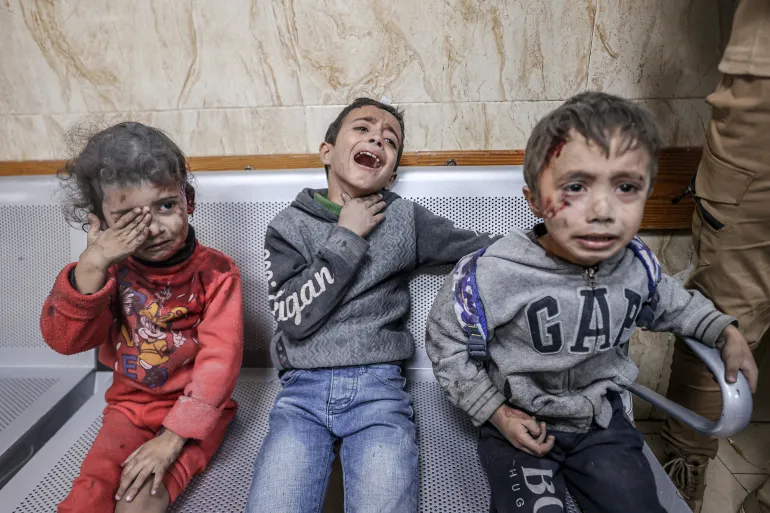
When wars end, the sound of explosions fades—but their impact remains for years, especially in the lives of children. In Gaza, thousands of children who have lost limbs as a result of the ongoing conflict are facing a reality that extends far beyond emergency medical treatment. Their recovery is not measured by surviving surgery alone; it depends on long-term rehabilitation, access to prosthetic care, and the opportunity to rebuild their lives with dignity and independence.
According to international organizations, Gaza now has the highest number of child amputees per capita in the world. Since October 2023, an estimated 3,000 to 4,000 children have undergone one or more limb amputations. Thousands more require prosthetic devices, physical rehabilitation, psychosocial support, and continuous medical follow-up to regain mobility and participate fully in daily life.
The rehabilitation crisis in Gaza extends well beyond the growing number of amputations. A healthcare system under immense pressure, combined with severe shortages of specialized staff, equipment, and medical supplies, has left thousands of children without access to the rehabilitation services they urgently need.
| IndicatorFigure | |
| Children who have undergone one or more amputations since October 2023 | 3,000–4,000 |
| People currently in need of prosthetic limbs in Gaza | Approximately 6,000 |
| Patients assessed for permanent prosthetic limbs | 2,300 |
| Patients who have received permanent prostheses | Less than 25% |
| Prosthetic and orthotic specialists currently working in Gaza | Around 9 specialists |
| Patients registered for limb reconstruction services (July 2025 – May 2026) | Nearly 14,000 |
These figures illustrate the widening gap between rehabilitation needs and the healthcare system's capacity to respond. As the number of patients continues to rise, rehabilitation centers face increasing challenges in providing timely and comprehensive care.
Children are constantly growing, which makes prosthetic care fundamentally different from that of adults. A prosthetic limb that fits today may become uncomfortable or ineffective within months as a child's body develops.
For this reason, child amputees require regular assessments, adjustments, repairs, and, in many cases, replacement prosthetic limbs to ensure comfort, mobility, and healthy physical development. Without ongoing care, an ill-fitting prosthesis can lead to pain, reduced mobility, and additional medical complications.
Sustainable rehabilitation, however, goes far beyond providing a prosthetic limb. It includes physiotherapy, muscle strengthening, gait training, occupational therapy, psychosocial support, and assistance with reintegration into school and community life.
A common misconception is that fitting a prosthetic limb marks the end of treatment. In reality, it is only the beginning of a much longer journey.
Successful rehabilitation requires continuous physiotherapy, balance and mobility training, muscle conditioning, and regular clinical follow-up to ensure that the prosthesis evolves alongside the child's physical growth.
Equally important is psychological support. Many children lose far more than a limb—they lose confidence, independence, familiar routines, and opportunities to play, learn, and socialize. Comprehensive rehabilitation helps restore not only physical function but also emotional well-being, resilience, and hope for the future.
Sustainable rehabilitation is therefore not an additional service; it is an essential component of recovery. Without long-term rehabilitation and consistent access to specialized care, many children risk losing the opportunity to regain their independence and fully participate in society.