06 Jul 2026
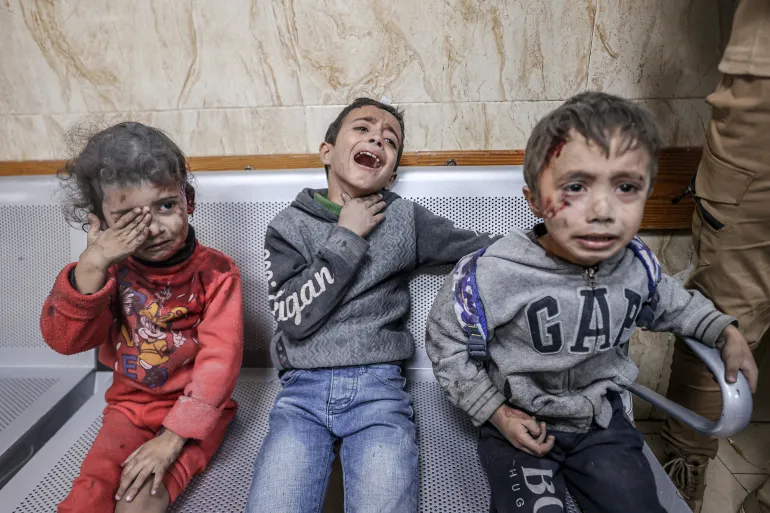
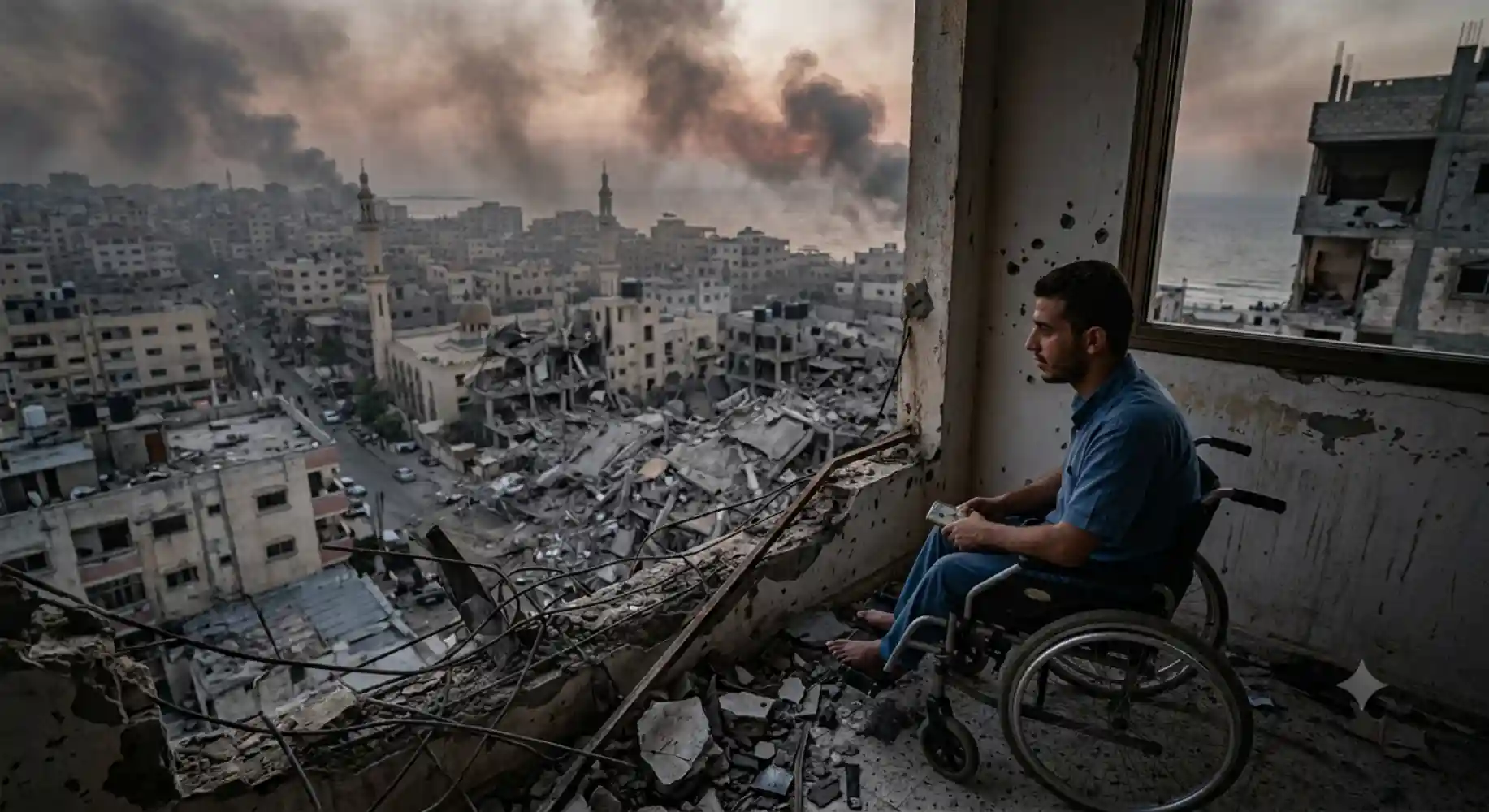
Hearing loss is one of the least visible consequences of war, yet for thousands of people in Gaza, it has become a life-changing reality. While images of destroyed buildings and physical injuries often dominate headlines, the long-term impact of repeated explosions on hearing health receives far less attention. Every day, children, women, and older people are exposed to blast waves that can permanently damage the delicate structures of the ear, leaving many with partial or complete hearing loss.
According to United Nations estimates, at least 35,000 people in Gaza are living with significant hearing damage caused by repeated explosions and ongoing hostilities. As the conflict continues and access to healthcare remains severely restricted, humanitarian organizations warn that this number is likely to increase, placing even greater pressure on an already overwhelmed health system.
The crisis extends far beyond the injury itself. Hearing loss affects every aspect of daily life, including communication, education, employment, access to healthcare, and personal safety. In emergency situations, people with hearing impairments may be unable to hear evacuation orders, air raid warnings, emergency announcements, or instructions issued during humanitarian aid distributions. As a result, they face significantly greater risks than the general population.
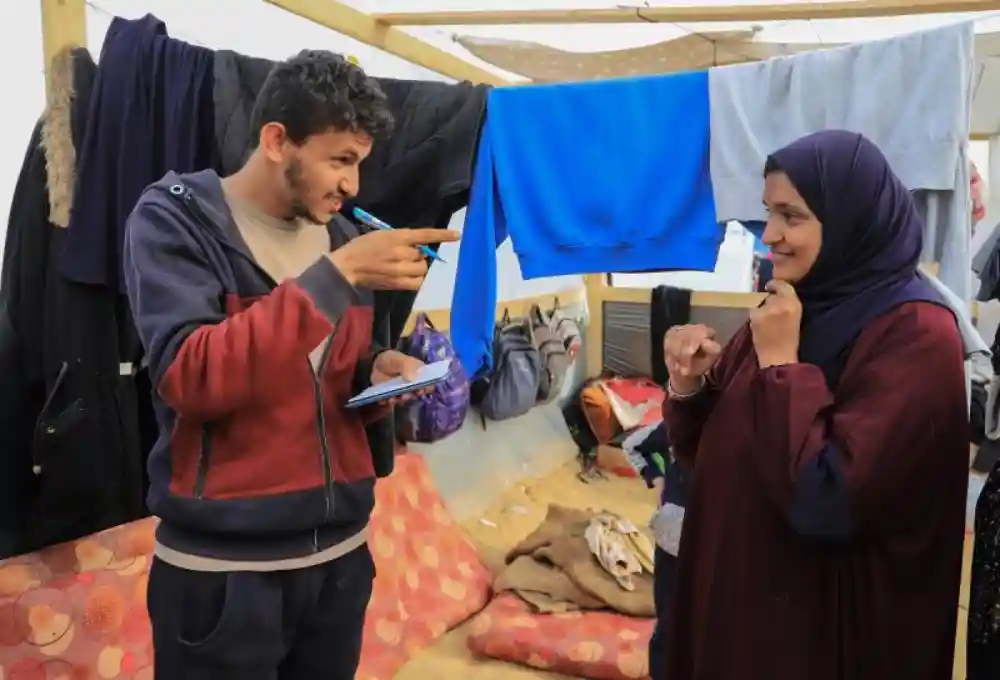
Access to hearing care has also become increasingly limited. Audiology services, hearing assessments, hearing aids, maintenance, batteries, and replacement parts are all in critically short supply. Recent humanitarian assessments indicate that more than 83 percent of persons with disabilities in Gaza lack access to the assistive devices they need, including hearing aids and other essential communication tools. Even individuals who already own hearing devices often cannot use them because replacement batteries and technical support are unavailable.
Children are among the most affected. Untreated hearing loss during childhood can have lifelong consequences, delaying language development, limiting educational achievement, and affecting emotional well-being and social inclusion. These challenges have become even more severe as schools remain closed or damaged and specialized educational and rehabilitation services continue to be disrupted. Without early intervention and continuous support, many children with hearing loss risk long-term exclusion from education and future employment opportunities.
The wider humanitarian situation further compounds these challenges. United Nations reports indicate that more than 40,500 children have been injured since the escalation of hostilities, while tens of thousands of people require long-term rehabilitation services. For individuals with hearing loss, rehabilitation includes much more than medical treatment. It requires audiological care, speech and language therapy, psychological support, assistive technology, and inclusive educational services that enable children and adults to communicate, learn, and participate fully in society.
At the same time, Gaza's healthcare infrastructure has suffered extensive damage. Hospitals, rehabilitation centers, and specialized clinics have been destroyed or forced to operate with severely limited resources. The shortage of trained audiologists, rehabilitation professionals, medical equipment, and assistive technology has made it increasingly difficult to provide timely diagnosis, treatment, and long-term follow-up for people with hearing impairments.
Hearing loss is not simply the inability to hear. It can isolate people from their families, prevent them from accessing education and healthcare, reduce employment opportunities, and even place their lives at risk during emergencies. Addressing this growing crisis therefore requires more than emergency medical assistance. It demands sustained investment in hearing healthcare, early screening programs, rehabilitation services, hearing aids and their maintenance, accessible communication systems, and inclusive humanitarian responses that ensure no one is left behind.
Protecting the rights and dignity of people with hearing loss in Gaza means recognizing that rehabilitation is not an optional service—it is an essential component of humanitarian response. Ensuring equitable access to healthcare, education, information, and assistive technology is critical to helping thousands of people rebuild their lives and participate fully in their communities despite the devastating impact of war.
The growing number of people living with hearing loss in Gaza highlights one of the least visible yet most enduring consequences of war. Hearing impairment affects far more than the ability to hear—it limits access to education, healthcare, humanitarian assistance, and critical information, while increasing the risks people face during displacement and emergencies.
For this reason, Bridges of Hope for Development and Rehabilitation Association believes that an inclusive humanitarian response must ensure that persons with disabilities, including people with hearing loss, have equitable access to healthcare, rehabilitation services, assistive devices, psychosocial support, and accessible communication. Investing in inclusive rehabilitation is not only a response to today's urgent needs; it is an investment in dignity, resilience, and a more inclusive future for the people of Gaza.